
This year and this month marks the 250th anniversary of the founding of the United States of America. Through government campaigns, school projects, conversation, social media, and other facets of life, we are asked to honor the past by reflecting on the nation’s history, and to imagine what the next 250 years could look like.
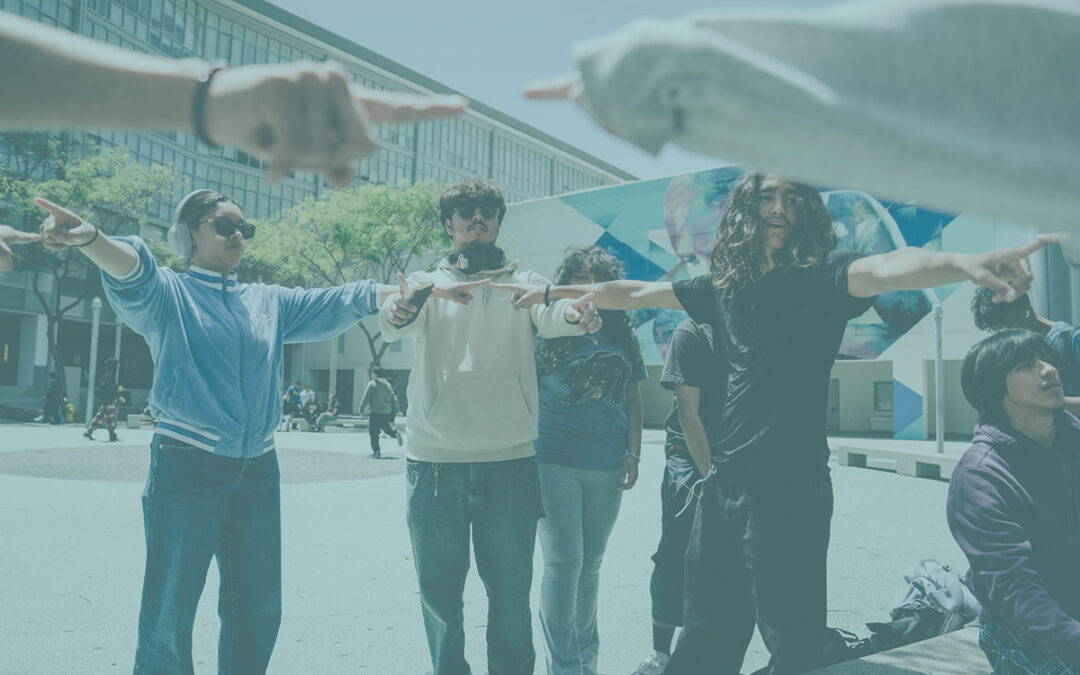
I believe we cannot reflect on America at 250 without recognizing and celebrating the ways young people are already shaping the world and communities around them. Throughout history, young people have always been at the forefront of leading change. The Greensboro four were Black college students who sat down at a segregated lunch counter and sparked a wave of student-led action that came to define the civil rights movement. And right here in California, young people are at the heart of the youth vote movement—making the case that if 16- and 17-year-olds can work, pay taxes, and shape their schools, they’re ready to help choose the leaders who set the rules. Across the history of the country, it’s often youth who have consistently held the vision, conviction, and power to name and solve problems in our society.
We can hold up these bright spots and bright young people, but it’s important to name that all young people have the potential to lead. Youth with possibility, purpose, and drive are in schools, neighborhoods, and communities all around us. It’s the systems—from schools to government to businesses—that need to shift to value, support, and uplift all of young people’s unique strengths, identities, aspirations, and ideas. These are the questions I keep coming back to: What would it mean if schools and society, more broadly, matched the energy and fire of young people and met them where they are, rather than asking them to hold back, conform to expectations, and fit into the status quo? What if young people, regardless of their community or background, had the opportunity and support to transform their ideas into meaningful change?
We cannot reflect on America at 250 without recognizing and celebrating the ways young people are already shaping the world and communities around them.
Making this shift requires us to revisit what we are preparing young people for: full and purpose-filled lives. Lives that include a quality education, a fulfilling career, attention to health and wellbeing, engagement in politics and civic life, friendships and relationships, and connection to our communities. A critical purpose of education is to develop both academic knowledge and the evergreen skills, experiences, dispositions, and capacities that help young people flourish across all these areas of life. In a series of articles in SSIR supported by the Stuart Foundation and Hewlett Foundation, multiple authors named that these skills—curiosity, conviction, agency, and more—are valuable not only for learning and careers but are also core to participating in our democracy. Fulfilling this broader purpose for education requires high-quality learning opportunities that are experiential and project-based, actively engage students, and connect deeply to their lives, communities, and interests. This focus for schools does not have to come at the cost of fostering wellbeing, kindness, compassion, and empathy; rather, these features enhance student success and thriving.
Across California and the country, momentum is building to rethink the high school experience to meet the full scope of education’s purpose. Efforts like community schools, which have been prioritized in California in recent years, are shifting teaching practices, school structures, and mindsets about young people in ways that better prepare and support them to fulfill the academic, social and human, and civic and democratic purposes of school. With an emphasis on collaborative leadership and shared decision-making inherent in their design, community schools truly live into the idea that young people must be engaged as true partners and leaders in their teaching and learning, in their schools and communities, and in our democracy.
What would it mean if schools and society matched the energy and fire of young people and met them where they are, rather than asking them to hold back, conform to expectations, and fit into the status quo?
This is what makes me hopeful about the future: the young people I meet, and the schools, organizations, and leaders at every level that are working to support them. They’re leaning into care, curiosity, and belonging, at the same time that they are engaging in bold advocacy, conducting research, building youth voice and power, leading civic projects, and investing in solutions that will carry us into the next 250 years. They are showing that it’s possible to change conditions, structures, and policies so that young people are inspired and supported to build the future, not just to inherit it.
Building that future requires developing a collective vision and integrating many ideas for how to achieve it. Over the coming weeks, we will be asking young people, educators, and our partners in this work: What is the world you want to build over the next 250 years? How do we get there? How do we center youth leadership and agency in this next chapter?
We encourage you to have these conversations with your family, friends, colleagues, and communities—and share your thoughts and ideas with us at stories@stuartfoundation.org.
***